How Gaming Providers Weave Mobile Slot Features, Loyalty Tiers, and Fast Settlements in Live Environments
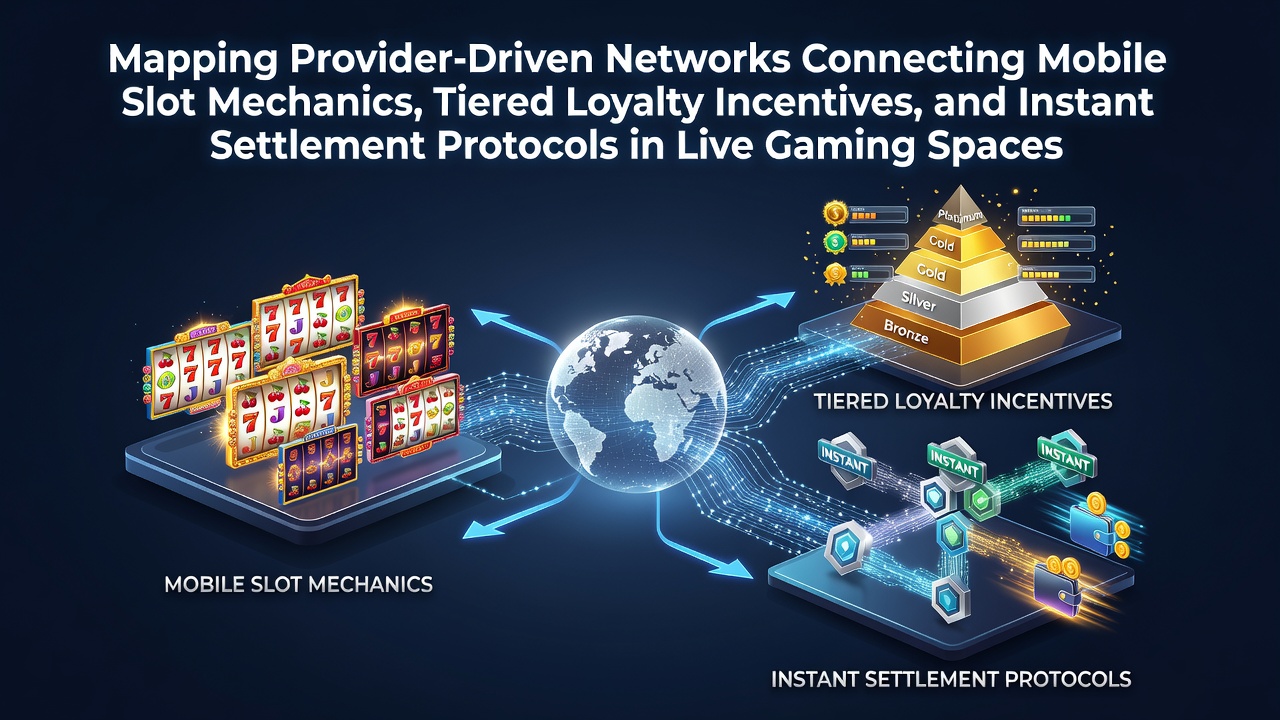
Provider-driven networks have expanded their reach across mobile platforms where slot mechanics operate alongside tiered loyalty systems and instant settlement tools, creating integrated environments that support live gaming sessions. These networks link game engines with player tracking databases while routing payment confirmations through secure channels that activate rewards without delay, and observers note the shift toward unified architectures that handle multiple functions in single data flows.
Mobile Slot Mechanics as Core Network Nodes
Slot mechanics within these systems rely on random number generators calibrated for mobile interfaces that adjust reel speeds and bonus triggers based on device capabilities, while providers embed APIs that feed session data directly into loyalty platforms. Data from industry reports shows that mechanics like cascading reels and multiplier chains now connect to real-time player profiles so that each spin updates tier status automatically, and this linkage reduces separate processing steps that once separated gameplay from reward calculations.
Live gaming spaces add another layer where dealers interact with digital overlays that display slot outcomes on shared screens, allowing mechanics to influence group play events. Researchers at academic institutions have documented how these integrations maintain consistency across thousands of concurrent sessions by distributing computation loads through provider clouds, and figures from the American Gaming Association indicate steady growth in mobile slot participation that coincides with these technical upgrades.
Tiered Loyalty Incentives Tied to Network Activity
Loyalty programs in provider ecosystems assign players to escalating tiers based on accumulated points from mobile slot spins and live table participation, with each level unlocking customized incentives such as exclusive bonus rounds or accelerated payout queues. These tiers function through algorithms that pull data from settlement protocols to verify activity thresholds, ensuring rewards activate only after confirmed transactions complete without interruption.
One study from European research centers found that tier progression correlates directly with frequency of instant settlements, as players who complete quick payouts tend to maintain higher engagement rates across sessions. Networks achieve this by embedding loyalty rules into the same code that governs slot outcomes, so a completed spin can trigger both a jackpot notification and a tier advancement notice in the same data packet.
Instant Settlement Protocols Enabling Seamless Flows
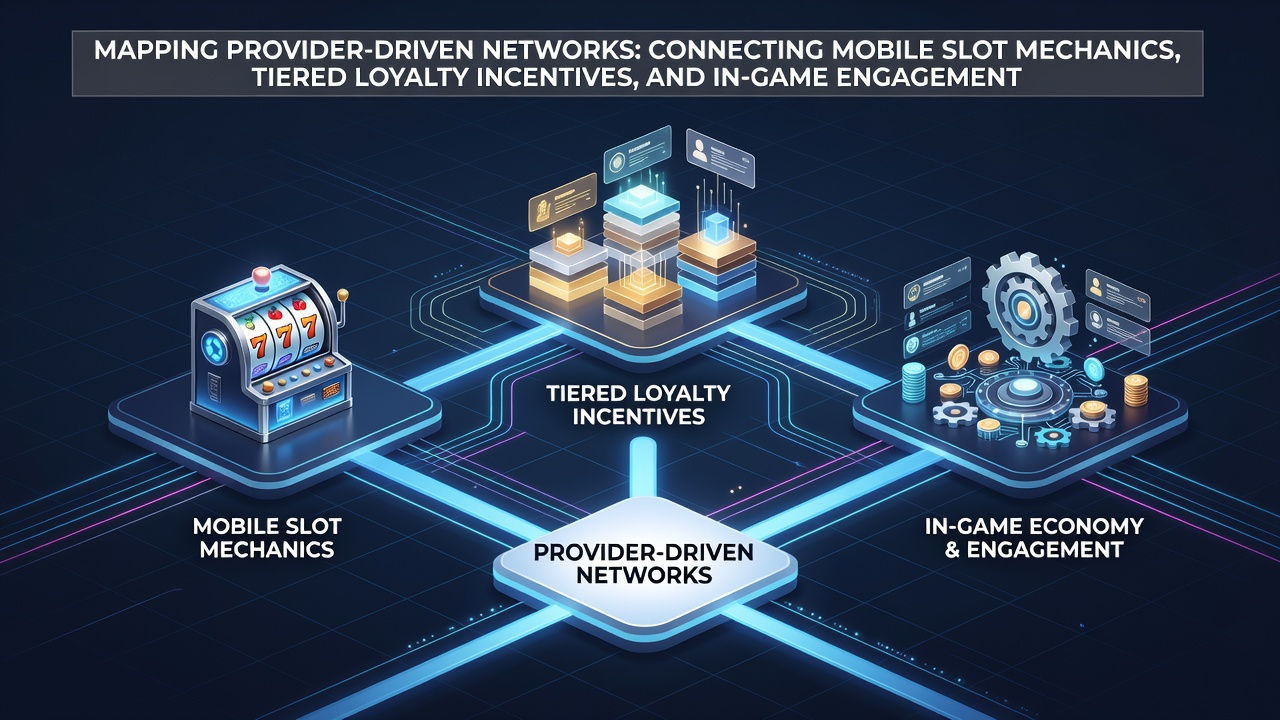
Settlement protocols operate as the connective tissue in these networks by processing deposits and withdrawals through encrypted channels that verify funds in under a second, then immediately update loyalty balances and unlock slot features. Providers configure these protocols to interface with banking partners across regions so that mobile users experience continuous play without manual intervention, and this design supports the live environments where timing affects group outcomes.
In July 2026 industry updates highlighted expansions in protocol capacity that accommodate increased transaction volumes during peak live events, with providers reporting integration tests that combined slot mechanics and loyalty triggers into single settlement cycles. External sources such as the European Gaming and Betting Association have published summaries showing how these protocols maintain compliance through automated reporting that runs parallel to gameplay data streams.
Mapping the Interconnections Across Provider Ecosystems
Networks map these elements by establishing central hubs that route information between slot servers, loyalty databases, and settlement gateways, creating pathways where a mobile spin can initiate a chain reaction that adjusts tier benefits and confirms a payout in sequence. This mapping relies on standardized data formats that allow different providers to exchange session details without custom bridges, reducing latency while preserving security layers that protect player information.
Case examples from Canadian regulatory analyses illustrate how operators who adopted these mapped networks saw synchronized updates across platforms, with loyalty incentives appearing directly in live feeds during slot bonus rounds. Observers note that such structures also enable predictive adjustments where settlement speed influences the availability of certain mechanics, allowing providers to balance load during high-traffic periods without disrupting live sessions.
Conclusion
Provider networks continue to refine these mappings by incorporating feedback from operational data that tracks how slot mechanics respond to loyalty updates and settlement confirmations in real time. The resulting systems support expanded live gaming spaces where mobile access remains central, and ongoing developments focus on scalability that accommodates growing user bases across multiple jurisdictions.