Cross-Platform Transaction Flows Reshaping Studio Incentive Designs for Portable Progressive Experiences
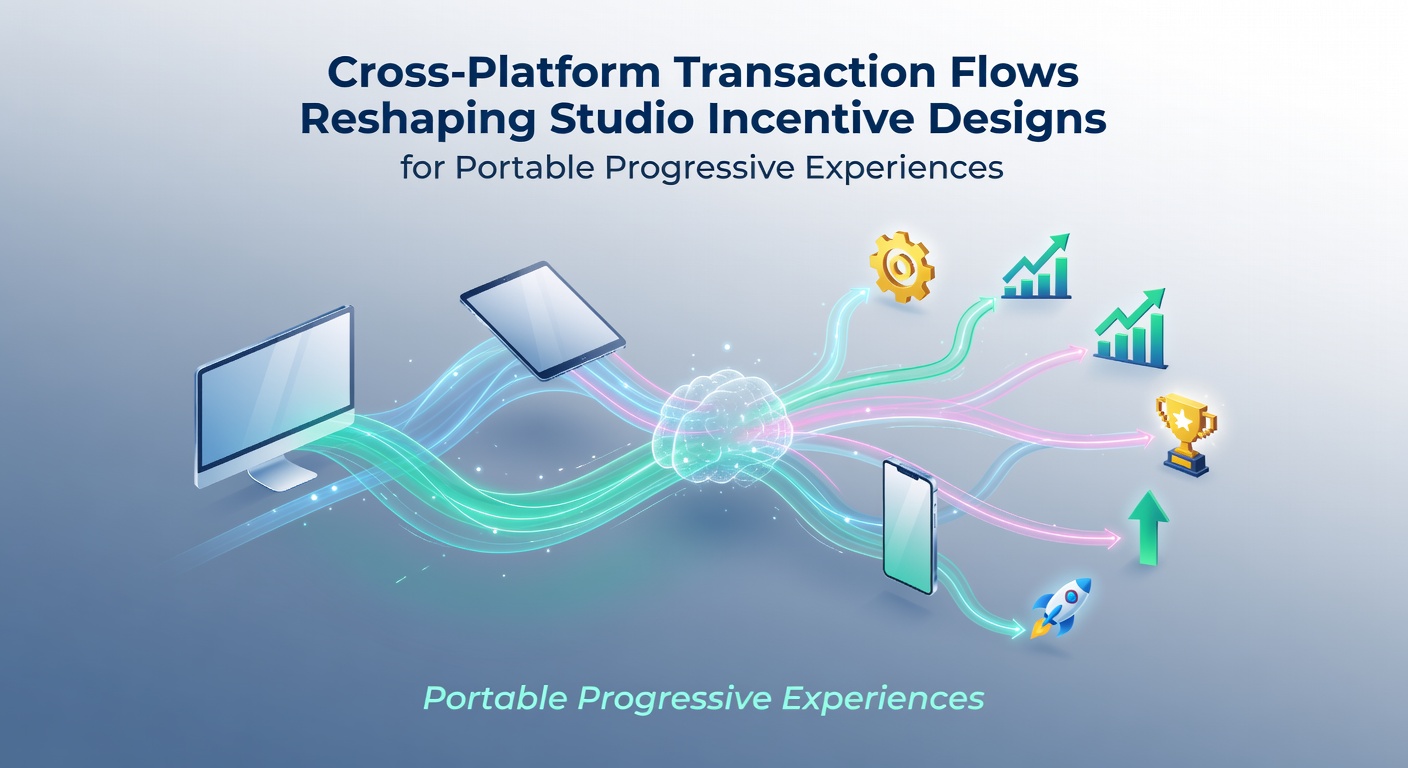
Game studios have adjusted their approaches to incentive structures as transaction systems operate seamlessly across devices and platforms, allowing players to maintain progress in progressive features without interruption. Data from industry reports shows transaction volumes in mobile gaming segments rose sharply through early 2026, with June figures highlighting continued growth in cross-device wallet integrations.
Portable progressive experiences rely on these flows to track contributions to shared jackpots or layered reward tiers regardless of whether users switch between smartphones, tablets, or desktop interfaces. Studios now embed real-time payment APIs directly into game engines, which means bonus triggers and VIP point accruals update instantly when deposits or withdrawals occur on any linked account.
Mechanics Behind Cross-Platform Payment Integration
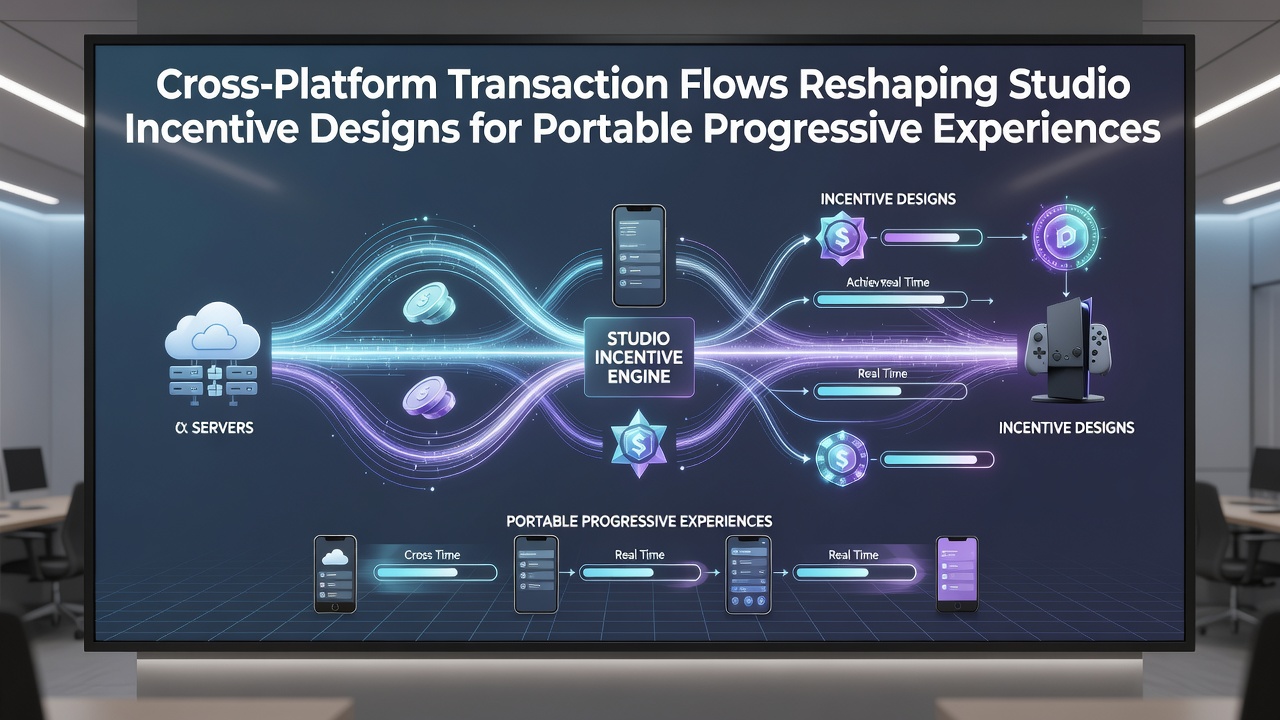
Developers connect player profiles through centralized ledgers that sync transaction data across operating systems and app stores, eliminating the previous need for separate progress trackers on each device. Research from the American Gaming Association indicates that studios adopting unified transaction protocols reduced latency in reward distribution by up to 40 percent in tested environments during the first half of 2026.
These integrations support progressive mechanics where contributions from multiple platforms feed into a single meter visible to all participants, while incentive designs shift toward time-sensitive offers that activate only after verified cross-device activity. One studio that implemented such systems reported higher retention rates because players could resume sessions mid-progress without resetting accumulated bonuses or jackpot eligibility.
Adjustments in Studio Incentive Models
Incentive designs now prioritize portability by tying rewards to account-level transaction histories rather than device-specific sessions, which allows studios to offer escalating free spin packages or deposit multipliers that carry forward automatically. Figures from the European Gaming and Betting Association reveal that studios incorporating these models saw measurable increases in average session length across mobile users by mid-2026.
Layered VIP structures benefit particularly, since transaction flows deliver instant visibility into spending patterns regardless of platform, enabling automated tier upgrades and personalized progressive challenges. Observers note that this approach reduces manual reconciliation tasks for operators and supports more dynamic bonus calibration based on live data streams.
Examples from Recent Implementations
Take the case where a North American studio linked its progressive slot network to multiple payment processors in 2025, resulting in portable experiences that maintained jackpot contributions when players moved between casino apps and web versions. By June 2026 the same network had expanded to include instant wallet top-ups that unlocked tiered incentives without requiring players to restart progress meters.
Another development involved Australian providers testing hybrid payment streams that combined traditional deposits with in-app purchases, feeding directly into mobile progressive features. Those implementations demonstrated that incentive designs could adapt in real time, adjusting bonus values according to transaction velocity across devices while preserving regulatory compliance in each jurisdiction.
Regulatory and Technical Considerations
Technical standards from organizations such as the International Gaming Standards Association emphasize secure tokenization of transaction data to protect portable progressive records during platform switches. Studios must ensure these flows meet varying regional requirements for player fund segregation and audit trails, which adds complexity yet also drives further innovation in incentive architecture.
Evidence from academic studies on digital gaming ecosystems suggests that cross-platform capabilities will continue influencing how studios allocate marketing budgets toward progressive features that function identically on every device. This shift encourages designs where loyalty rewards accumulate through unified transaction histories rather than isolated platform metrics.
Conclusion
Cross-platform transaction flows have become central to how game studios construct incentive systems for portable progressive experiences, enabling consistent reward tracking and dynamic bonus delivery across multiple devices. Continued adoption of these technologies through 2026 supports more integrated player journeys while meeting technical and compliance demands from diverse markets.