Charting Secure Transaction Pathways That Link Progressive Reel Features With Live Table Multipliers Across Provider Networks
Core Mechanics of Progressive Reel Systems
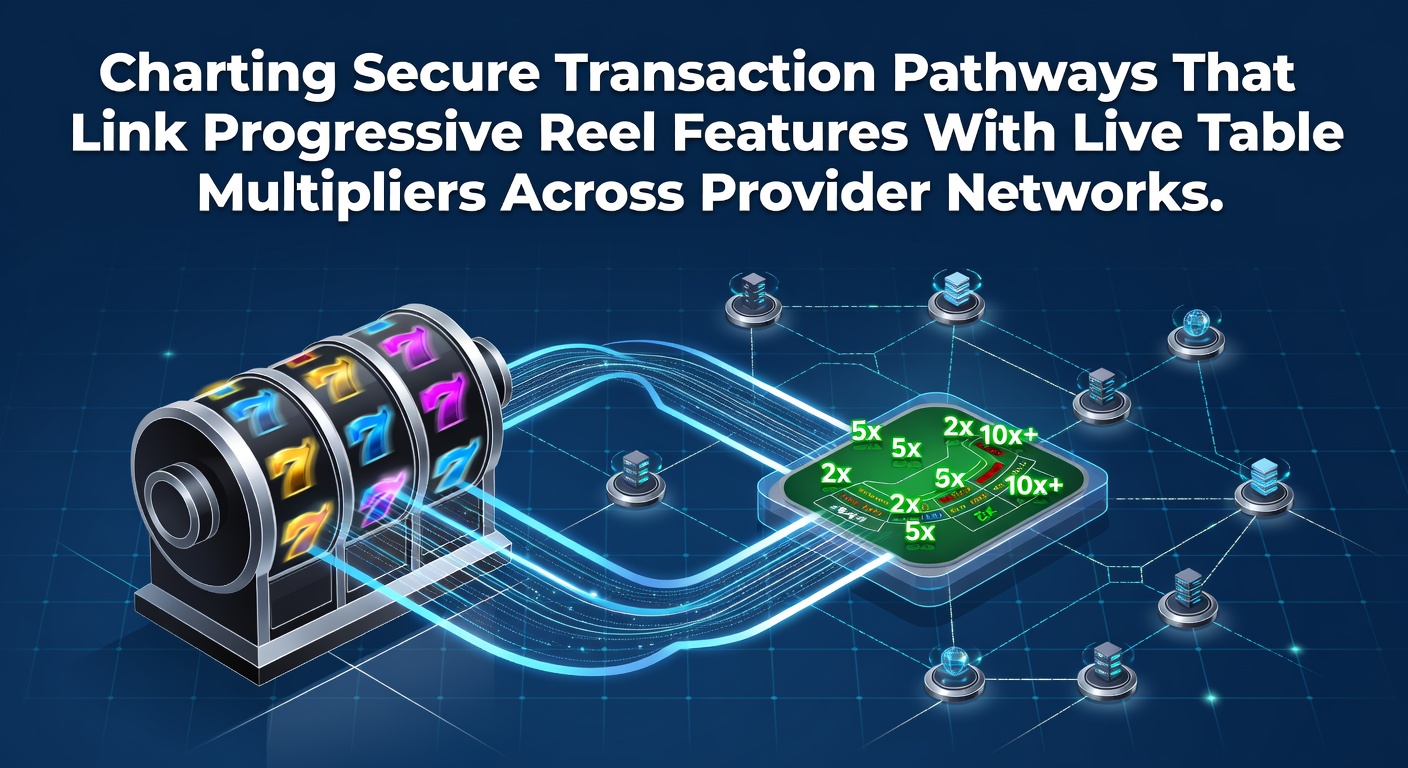
Progressive reel features accumulate jackpots across linked machines or digital platforms while players trigger base game wins that feed into larger pools through incremental contributions from each spin, and these systems operate on real-time ledgers that update balances as contributions flow in from multiple jurisdictions. Observers note that providers maintain separate progressive tiers ranging from local to wide-area networks so that a single machine can contribute to several escalating prize levels simultaneously, yet transaction integrity depends on encrypted data streams that verify each contribution before it registers in the central pool.
Live Table Multiplier Integration Points
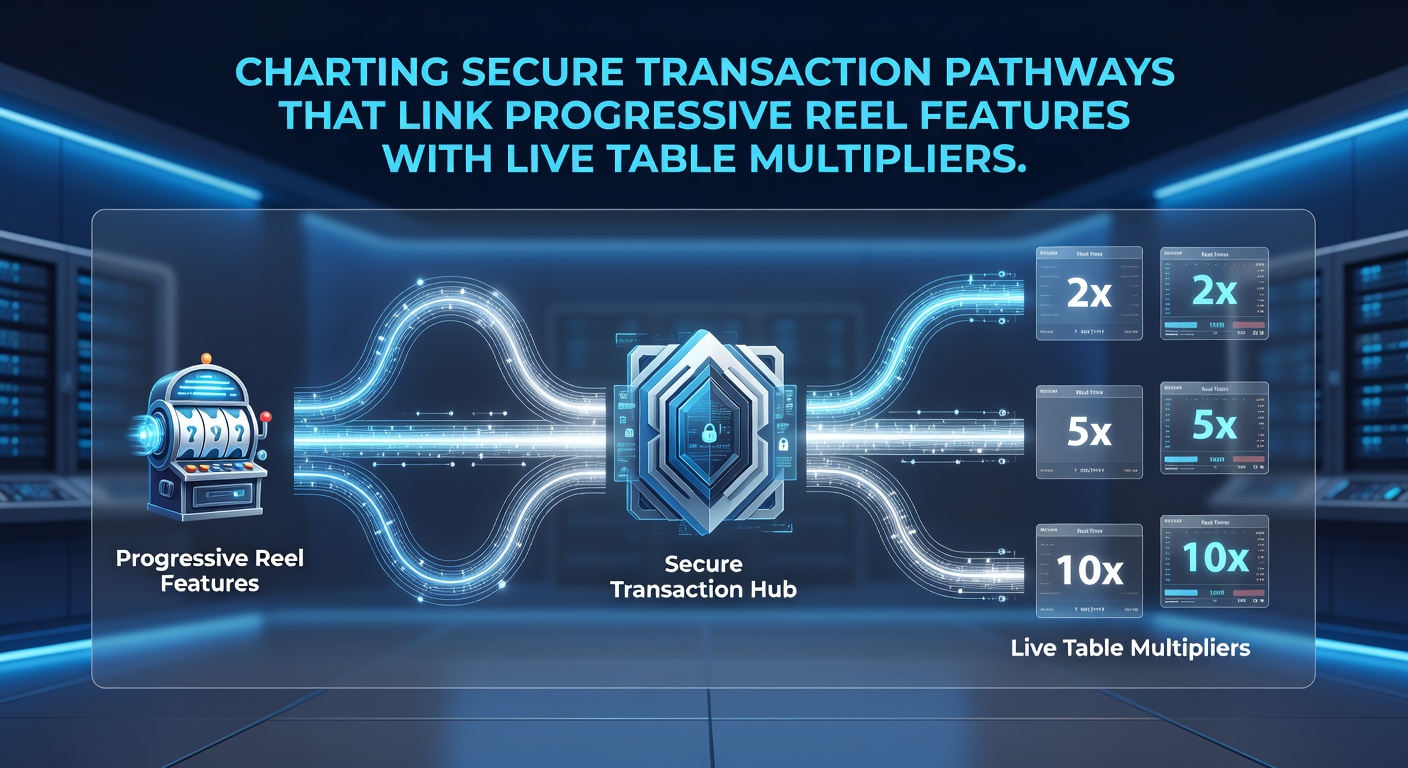
Live table multipliers adjust payouts during dealer-hosted games such as blackjack or roulette by applying random or triggered boosts to winning hands, and these multipliers connect to slot progressives when players transfer funds or loyalty points between game types within the same ecosystem. Data from regulatory filings shows that seamless linkage requires synchronized APIs that push multiplier values into slot interfaces while pulling progressive contributions back to live tables, creating unified player accounts that reflect activity across both formats without exposing raw transaction details.
Building Secure Transaction Pathways
Secure pathways rely on multi-layer encryption protocols combined with blockchain-style verification ledgers that record every fund movement between reel features and table multipliers, and these systems incorporate tokenization so that actual account numbers never travel across provider networks. According to reports issued by the Nevada Gaming Control Board, operators must demonstrate end-to-end audit trails that timestamp each transfer and reconcile balances within seconds of completion, while independent testing labs validate that no single point of failure can compromise the entire chain. What's interesting is how providers embed biometric authentication layers at each junction so that player-initiated transfers between progressive reels and live tables require confirmation through device-specific signatures before funds move.
Cross-Provider Network Synchronization
Networks spanning multiple providers use standardized communication protocols that allow progressive meters from one studio to influence multiplier availability on another provider's live tables, and these connections operate through secure gateways that mask proprietary algorithms while sharing only the necessary outcome data. Research indicates that settlement occurs in micro-batches every few minutes so that jackpot contributions from reels reach live table pools almost instantly, yet discrepancies trigger automatic rollback sequences that restore player balances without manual intervention. One documented implementation involves a European operator linking its reel progressives to Asian live dealer platforms through a shared clearinghouse that handles currency conversion and regulatory reporting in a single encrypted stream.
Developments Observed in May 2026
Industry updates released in May 2026 highlighted expanded use of zero-knowledge proofs that let providers confirm transaction validity without revealing underlying player data or game logic, and several networks adopted these methods to satisfy stricter cross-border data rules. Figures from the Australian Communications and Media Authority reveal that transaction volumes between progressive reels and live multipliers grew by double-digit percentages during the first quarter of that year, driven largely by mobile users moving balances between game categories within unified wallets. Providers responded by deploying redundant verification nodes across geographic regions so that a failure in one jurisdiction does not halt multiplier updates tied to distant progressive pools.
Verification and Compliance Layers
Each pathway incorporates automated compliance checks that flag transfers exceeding jurisdictional thresholds before they complete, and these checks run alongside the core ledger so that regulatory reports generate automatically from the same data streams used for player balances. Those who've studied these systems observe that smart contract templates now handle conditional releases where a multiplier applies only after a progressive contribution clears its verification step, reducing disputes that previously required manual review. External audits conducted at fixed intervals confirm that encryption keys rotate regularly and that access logs remain immutable for the required retention periods.
Future Scaling Considerations
Scaling these pathways involves adding new provider nodes without disrupting existing meter linkages, and current architectures use modular gateways that accept plug-in adapters for emerging game types. Evidence suggests that continued growth will depend on maintaining consistent latency standards across global networks so that live table multipliers reflect the latest progressive contributions within acceptable time windows for players. Operators continue testing enhanced reconciliation engines that compare reel contributions against table multiplier payouts in near real time to catch anomalies before they affect player accounts.
Conclusion
Secure transaction pathways that connect progressive reel features with live table multipliers across provider networks rely on layered encryption, standardized APIs, and automated compliance tools that keep balances synchronized while protecting player data. Developments through May 2026 demonstrate ongoing refinement of verification methods and cross-jurisdictional gateways that support expanding game ecosystems without compromising integrity. As networks add nodes and adopt advanced cryptographic techniques, the underlying infrastructure continues to evolve around documented regulatory and technical requirements.