Baroness Twycross Outlines Government Focus on Illegal Gambling Advertising During Lords Session

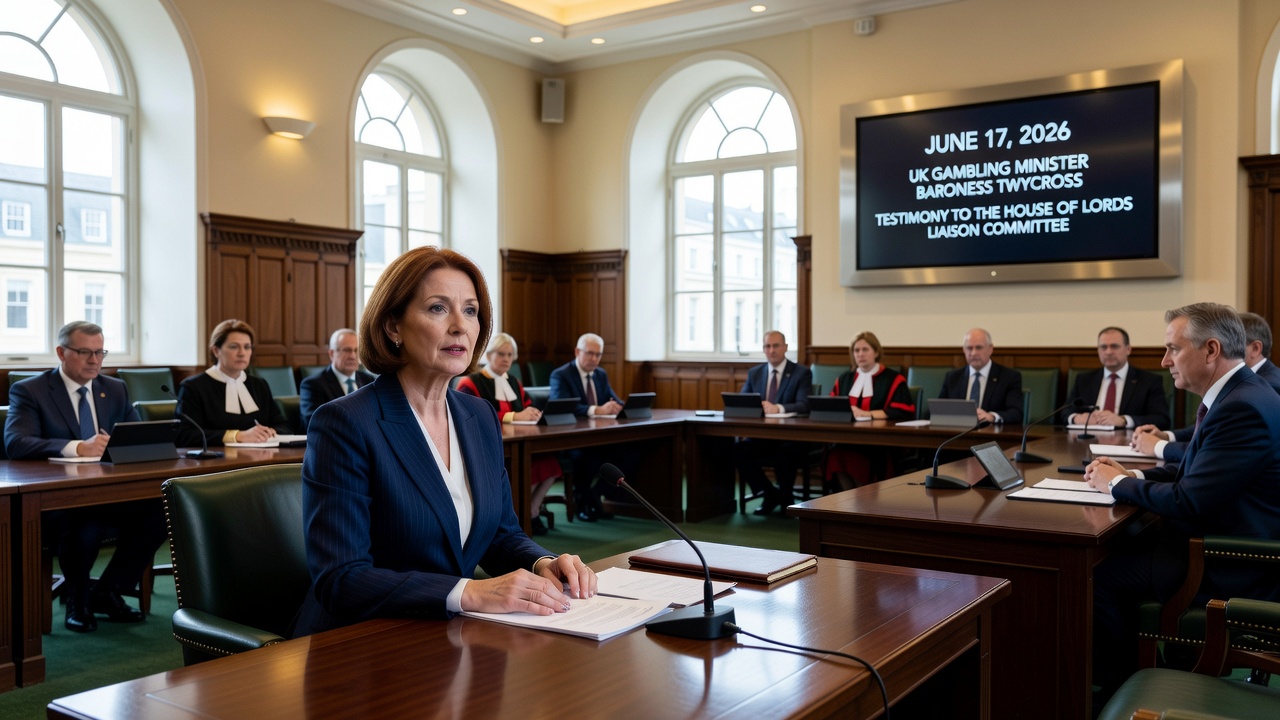
Baroness Twycross addressed the House of Lords Liaison Committee on June 17, 2026, and identified enforcement against illegal gambling advertising as a leading government objective, one that supports the licensed sector, safeguards tax collection, and steers consumers away from unregulated platforms. Her remarks aligned with ongoing initiatives that examine sponsorship arrangements and social media promotions tied to black-market operators.
Key Points from the Committee Appearance
During the session the minister confirmed that ministers see no need for immediate new legislation covering advertising by licensed operators, while she underscored teh value of policies grounded in evidence and close coordination among several bodies. These include the Advertising Standards Authority, major social media platforms, and the recently established Illegal Gambling Taskforce. Committee members heard that such collaboration aims to strengthen existing rules rather than introduce fresh statutory measures at this stage.
Observers note the emphasis on protecting revenue streams that flow to the Treasury from legitimate operators, a point the minister connected directly to broader efforts against unlicensed activity. Data from regulatory monitoring shows that shifts toward unregulated sites can reduce traceable tax contributions, a pattern the government seeks to limit through targeted enforcement.
Collaboration Framework and Evidence-Based Approach
The minister described joint work with the Advertising Standards Authority as central to identifying and removing unlawful promotions that appear on digital platforms. This partnership extends to social media companies that host content promoting operators outside the licensed regime. According to records from the committee, the Illegal Gambling Taskforce will supply operational support for these detection and removal processes.
Research compiled by the Advertising Standards Authority indicates that coordinated reporting mechanisms have already led to quicker takedowns of certain illegal advertisements in previous campaigns. The minister referenced those outcomes while stressing continued reliance on data to guide future actions. One study from an international gambling research network found similar enforcement patterns in other jurisdictions produced measurable drops in consumer exposure to unlicensed promotions.
Advertising Standards Authority reports further detail how platform-level filters and complaint-handling procedures contribute to reduced visibility of prohibited content. These mechanisms operate alongside the taskforce’s intelligence-sharing arrangements, creating a multi-layered response that does not require additional primary legislation at present.
Broader Context of Market Protection Efforts
The June 17 statements form part of wider scrutiny that includes examination of sponsorship deals involving unlicensed entities and the promotion of such operators through influencer and social media channels. Committee documentation shows that these activities fall within the remit of the Illegal Gambling Taskforce, which coordinates across government departments and regulatory partners.
Figures released by the House of Lords Library indicate that consumer migration to black-market sites can affect both tax receipts and player protections that licensed operators must maintain. The minister tied enforcement priorities to these measurable impacts, noting that evidence gathered through the taskforce will inform ongoing adjustments to enforcement tactics.
Industry bodies outside the UK have tracked comparable developments; for instance, reports from the National Council on Problem Gambling in the United States highlight how unregulated advertising can bypass consumer safeguards, a concern echoed in the UK committee discussion. Such cross-border observations provide additional context for the evidence-based stance described by Baroness Twycross.
Next Steps and Ongoing Monitoring
No timetable for fresh legislation on licensed-operator advertising was announced, yet the minister reiterated that policy remains under review through data collection and stakeholder input. The Illegal Gambling Taskforce continues to develop operational protocols that integrate input from social media platforms and the Advertising Standards Authority.
Committee transcripts record that future updates will draw on performance metrics related to advertisement removal rates and consumer complaint volumes. These indicators will help determine whether existing tools suffice or whether supplementary measures become necessary. The approach keeps the focus on measurable outcomes rather than immediate statutory change.
Conclusion
Baroness Twycross’s appearance on June 17, 2026, clarified the government’s current priorities around illegal gambling advertising while confirming the absence of immediate plans for new rules aimed at licensed operators. Collaboration among the Advertising Standards Authority, social media platforms, and the Illegal Gambling Taskforce forms the operational backbone of these efforts, supported by evidence gathered through ongoing monitoring. The statements connect directly to wider actions on sponsorships and digital promotions that fall outside the regulated market. Further developments will depend on data collected through these partnerships and reported back to Parliament.